ABOUT US - ELLCV MISSION
Our mission at ELLCV is to:
- Provide top-tier instruction and learning resources, ensuring our students receive the highest quality education to meet their personal and professional needs.
- Explore new and effective ways to teach English, incorporating the latest technologies and methodologies to enhance the learning experience and stay at the forefront of language education.
- Integrate and foster the development of global citizenship skills through value education.
- Create an inclusive and supportive learning environment where students from diverse backgrounds can develop their language skills, cultural understanding, and confidence, preparing them for success in global communication and opportunities.
- Tailor our teaching methods to meet individual learning styles and goals. Our approach prioritizes each student’s needs and aspirations, ensuring a personalized educational journey.
ELLCV Values
- RESPECT
- EMPATHY
- COOPERATION
- FRIENDSHIP
- POSITIVE THINKING
- PERSISTENCE
- ACHIEVEMENT
ELLCV METHODOLOGY
The ELLCV English teaching program incorporates the Project-based instructional approach. Project-based learning (PBL) is a dynamic and engaging instructional approach where students acquire knowledge and skills through active participation in real-world projects. Students work collaboratively to investigate and respond to challenges, designing solutions and creating artifacts demonstrating their understanding. PBL empowers students to take ownership of their learning. This can involve providing them with choices in the project topic, their approach to solving the problem, and the format of their final product. The projects address genuine issues or difficulties faced in the real world. This connection motivates students and shows them the practical application of their learning. Effective PBL projects require students to work collaboratively, developing communication, teamwork, and problem-solving skills as they work together towards a common goal. The final product or performance showcases the students’ learning and solution s to the driving question. This could be a presentation, a model, a research paper, or even a creative work, such as a play or a group presentation.
More specifically, at ELLCV, the lesson’s design centers on a framework called backward design, also known as understanding by design (UbD). It emphasizes starting with the desired learning outcomes and working backward to design instructional activities and assessments that ensure students achieve them. The project is the outcome of the instructional process. The combination of PBL and BD enables multifaceted, ongoing evaluation. It considers the final product, students’ method, and their critical thinking skills, collaboration abilities, and communication effectiveness. By aligning assessments with desired outcomes, backward design ensures that assessments accurately measure student learning. The school’s English programs also combine projects that involve students using technology to research, create presentations, or collaborate on multimedia projects related to the lesson topic. They typically use their cell phones in class to conduct research, which allows them to put their English-language writing skills into practice.
FOUNDER/ EXECUTIVE DIRECTOR
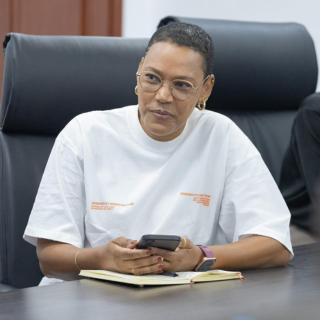
Ms. Mendes’s professional career is centered on her work as a university professor at her Alma Mater, UNICV, where she has taught for the past 11 years, and at the private language education institution English Language Learners Cabo Verde (ELL CV), which she founded in 2015. At ELL CV, Zita Mendes focuses on developing a novel project-based English Language curriculum for students of all ages—from pre-kindergarten children to business executives pursuing professional development and lifelong learning. Her other responsibilities at ELL CV include handling student admissions and administration, and teacher coordination, in addition to teaching classes herself. She is the author of the national English textbook (5th to 8th grade) in partnership with the Ministry of Education in Cabo Verde.